Lambeth Council rules for upholstery cleaning and recycling: what residents need to know
If you are trying to get rid of a tired sofa, a stained armchair, or a dining chair that has finally given up, the rules around upholstery can feel annoyingly vague. That is exactly where understanding Lambeth Council rules for upholstery cleaning and recycling saves time, stress, and in some cases money. The short version: not every upholstered item should be cleaned, collected, or recycled in the same way, and what you do next depends on the material, condition, and whether the item can still be reused.
In this guide, we will break down how upholstery cleaning connects to recycling, what Lambeth residents should think about before disposal, and how to avoid the common mistakes that lead to rejected collections or unnecessary waste. We will also look at practical steps for homes, landlords, and small businesses in Lambeth who want to stay tidy, compliant, and, frankly, not make a mess of it.
Why Lambeth Council rules for upholstery cleaning and recycling matters
Upholstery is one of those household categories that looks simple until you try to dispose of it. A sofa may contain timber, fabric, foam, springs, metal fixings, fire-retardant materials, and sometimes hidden contamination from spills, pets, damp, or pests. That mix makes it harder to recycle than a plain plastic or cardboard item. And if the fabric is still usable, it may be better treated as a reuse candidate rather than waste.
For Lambeth households, landlords, and businesses, the rules matter for three practical reasons. First, they help you avoid putting unsuitable items out for collection. Second, they reduce the chance of fly-tipping or improper disposal, which is a nuisance for everyone on the street. Third, they encourage you to clean, repair, or reuse when an item still has life left in it. To be fair, that last point is often the one people skip when they are rushing to clear a room.
There is also a wider sustainability angle. Upholstered furniture is bulky, awkward to transport, and often resource-heavy to produce. If you can extend its life with proper cleaning or pass it on safely, you reduce waste and make the next step easier. Our recycling and sustainability approach is built around that simple idea: use what can still be used, and dispose of the rest responsibly.
Expert summary: The smartest approach is usually not "clean or bin it" but "assess, clean, reuse, or recycle in the right order." That saves trouble and usually gives you better results.
How Lambeth Council rules for upholstery cleaning and recycling works
The council side of the issue is mostly about making sure bulky upholstery items are handled in the right disposal stream. In practice, you normally start by asking three questions:
- Is the item still safe and good enough to reuse?
- Can it be cleaned properly without damaging the fabric or structure?
- If it is not reusable, what is the safest and most appropriate disposal route?
That order matters. A sofa with light dirt or odour might be perfectly suitable for a deep clean. A badly water-damaged chair, however, may be beyond saving and should move toward disposal or specialist collection. In a shared house, rental property, or office, you may also have to think about hygiene, fire safety, and access. A bulky item wedged in a hallway is not doing anyone any favours.
Upholstery cleaning itself usually means removing dust, stains, body oils, allergens, and surface grime using fabric-safe methods. Depending on the material, that might involve vacuuming, low-moisture cleaning, hot water extraction, dry cleaning, or spot treatment. The key is matching the method to the item. Faux leather is not treated the same way as wool blend fabric, and a velvet chair needs a gentler hand than a hard-wearing office reception sofa.
Recycling, meanwhile, is about what happens after the item has been separated from your regular waste. Some furniture can be dismantled for parts or sent into specialist recovery routes, but not every council collection service will accept every item in every condition. That is why checking the item before you put it out is so useful. A quick, honest assessment beats a rejected collection every time.
For people who want help with the cleaning side before deciding what to keep, professional upholstery cleaning can be the difference between a chair that stays in use and a chair that ends up in a skip.
Key benefits and practical advantages
Following the right process gives you more than just a tidy room. There are several very real benefits, especially if you are dealing with more than one piece of furniture.
- You reduce waste: If an item can be cleaned and reused, there is no reason to throw it away too quickly.
- You improve hygiene: Upholstery can trap dust, crumbs, pollen, and odours. A proper clean makes a room feel fresher straight away.
- You protect fabric life: Using the right cleaning method can extend the lifespan of chairs, sofas, and cushions.
- You avoid disposal problems: Knowing what can and cannot go into council collection helps prevent mistakes.
- You support tenant, landlord, or office turnover: Clean, presentable furniture is easier to inspect, reuse, or move on.
- You make recycling more realistic: If an item is sorted properly, it is easier to break down or recover materials where possible.
There is also a practical money angle, even if nobody likes talking about it. Replacing a full suite of furniture is expensive. Cleaning first can buy you time, and sometimes a lot of it. In a domestic setting, that means a sofa survives another year or two. In an office, that might mean meeting-room chairs stay in rotation until a planned refit, rather than being replaced halfway through the year. Sensible, really.
If you are comparing service options, it can help to look at how a broader cleaning company handles upholstery as part of whole-property care, especially where a move, sale, or clearance is involved.
Who this is for and when it makes sense
This topic is relevant to more people than you might think. It is not just for people with a worn sofa in the corner of the lounge.
- Homeowners who want to clean and keep furniture rather than replace it
- Renters preparing for check-out, new tenancy, or a deep tidy before viewings
- Landlords and letting agents dealing with old furniture left behind between lets
- Offices clearing out waiting-room seating, fabric chairs, and upholstered partitions
- House-clearance customers sorting mixed items after a move, bereavement, or major declutter
- Small hospitality or retail operators who need seating cleaned and then assessed for reuse
It makes sense to think about Lambeth Council rules for upholstery cleaning and recycling when the item is bulky, when it is too dirty to donate as-is, or when you are unsure whether it should be repaired, cleaned, or removed. If the item has a lingering smell, surface staining, or signs of daily wear, cleaning first is often the best first move. If it is structurally broken, badly moulded, or contaminated, you are probably looking at disposal instead.
And if the situation is a full-scale clear-out rather than one chair or sofa, a service like house clearance can be a practical way to handle the mix of furniture, soft furnishings, and general clutter in one go.
Step-by-step guidance
If you want a straightforward process, use this sequence. It keeps things calm, which is not a bad thing when there is a bulky armchair blocking half the room.
1. Inspect the item closely
Look for tears, broken frames, loose springs, mould, moisture damage, pest activity, and strong odours. Lift cushions, check seams, and test the fabric in a small hidden area if you plan to clean it. A quick inspection now can save you from ruining the fabric later.
2. Decide whether cleaning is realistic
Some upholstery can be revived with a deep clean. Other items are too far gone. If the foam is degraded or the structure is damaged, cleaning may improve appearance but not usefulness. That is fine, by the way. Not every item needs rescuing.
3. Separate reusable from non-reusable items
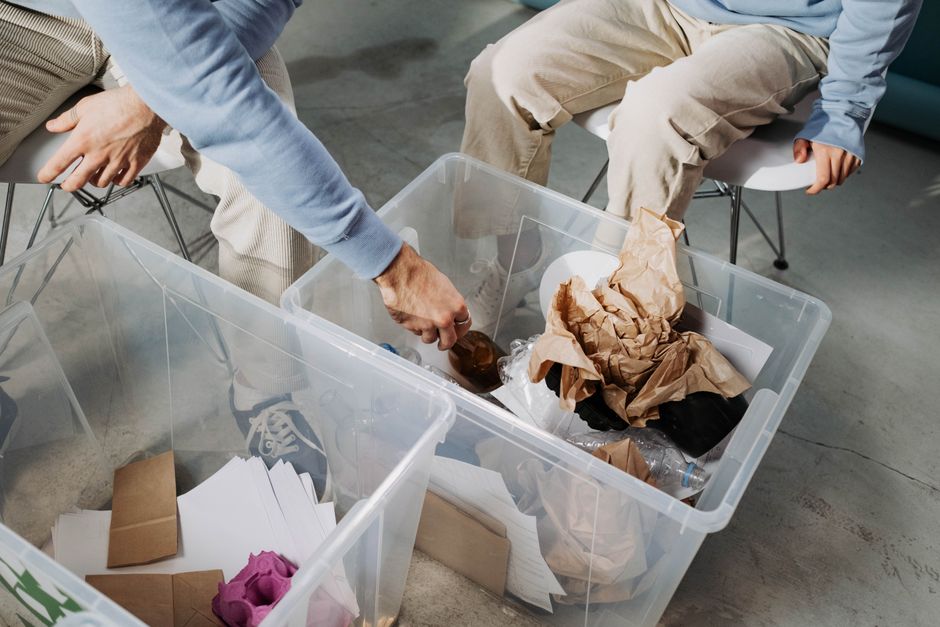
If you have more than one upholstered item, split them into categories: keep, donate, recycle, and dispose. This is especially helpful in flats and shared homes where things get mixed up quickly.
4. Clean the item using a fabric-appropriate method
Vacuum thoroughly, spot-treat stains carefully, and use the least aggressive method possible. Delicate fabrics should not be soaked. More durable materials may cope with deeper treatment, but drying time matters. Nobody wants a sofa that smells like a damp towel at 8 o'clock the next morning.
5. Check whether recycling or collection is appropriate
If the item is no longer reusable, check the accepted disposal route for bulky furniture and make sure it is prepared properly. Remove loose personal items, detach cushions where possible, and keep access clear for collection.
6. Prepare for collection or onward use
Bag any loose accessories, tape sharp edges if necessary, and keep the item dry. If it is being donated or passed on, be honest about condition. A quick description of stains, repairs, or smoke odour helps the next person decide.
7. Keep proof of what you did
If you are a landlord, office manager, or property agent, keep a note of the clean, the condition before and after, and any disposal route used. Simple records save arguments later. That part is not glamorous, but it is useful.
Expert tips for better results
In our experience, upholstery goes wrong when people rush the assessment. The item looks dirty, so they attack it with too much water or the wrong product. Then the stain spreads, the colour shifts, or the filling holds moisture and turns musty. Not ideal.
- Test first in a hidden spot. Even mild products can affect dyes and finishes.
- Use controlled moisture. Over-wetting is one of the biggest causes of long drying times and lingering smells.
- Vacuum before any liquid treatment. Dry soil removal makes the rest easier.
- Focus on problem zones. Armrests, seat fronts, and head contact areas usually need the most attention.
- Allow proper drying time. Open windows where sensible, but avoid using the item too early.
- Clean before deciding to recycle. A piece that looks tired may actually still be useful once refreshed.
A small but important tip: if you are working with office furniture or shared-home seating, check whether the fabric has a care label or manufacturer guidance. It sounds obvious, yet it is often the first thing people ignore. A ten-second look can prevent a very expensive mistake.
If the item is part of a broader refresh, combining services can help. For example, upholstery cleaning often pairs neatly with deep cleaning or even domestic cleaning when you are resetting a home after guests, renovations, or a busy season.
Common mistakes to avoid
Let's face it, most problems here are avoidable. The mistake usually happens before the cleaning even starts.
- Assuming every upholstered item can be recycled in the same way. Different materials and states of repair change the route.
- Putting out contaminated furniture without checking guidance. Food waste, mould, vermin activity, or bodily fluids may change how the item must be handled.
- Using harsh chemicals on delicate fabrics. This can bleach, stain, or weaken the fibres.
- Soaking the item and hoping for the best. That is how odours and water marks happen.
- Leaving hidden rubbish in cushions or pockets. It happens more than people admit. Coins, receipts, even the odd pen.
- Ignoring access issues. If the item cannot be moved safely to the collection point, the plan fails before it begins.
- Waiting until the last minute. Upholstery cleaning, drying, and collection preparation all take longer than people expect.
A small bit of honesty helps here. Sometimes an item really is beyond saving. That is not a failure. It just means your next decision should be a clean disposal route rather than a risky rescue mission.
Tools, resources and recommendations
You do not need a van full of specialist kit to make sensible decisions. A few basic tools and a clear process usually do the job.
- Vacuum cleaner with upholstery attachment: Great for dry dust and crumbs before any wet cleaning.
- Soft brush or fabric brush: Useful for loosening surface debris without roughing up fibres.
- Microfibre cloths: Handy for blotting spills and applying spot treatments gently.
- Mild fabric-safe cleaning solution: Always test it first and use sparingly.
- Gloves: Sensible for dirty, dusty, or uncertain items.
- Mask or extra ventilation: Useful if you are dealing with heavy dust, old odours, or musty furniture.
- Notebook or phone checklist: Keep track of what is reusable, what is not, and what has been cleaned.
For people who would rather hand over the cleaning side, a specialist sofa cleaning service can be the simplest route when the furniture is valuable enough to keep but tired enough to need proper treatment. The same is true for smaller items like upholstered dining chairs or footstools.
If you are also dealing with soft furnishings such as loose seat pads or decorative items, rug cleaning and upholstery care often sit in the same practical conversation, because the same home environment usually affects them all.
Law, compliance, standards, or best practice
This is where a careful tone matters. Council guidance, waste handling expectations, and upholstery condition checks can vary depending on the item and the service route used. The safest approach is to treat bulky upholstery as a category that may need separate handling from general household rubbish. Do not assume it can be left out like a bag of mixed waste.
Good practice in the UK generally means:
- keeping waste streams separate where possible
- avoiding contamination of recyclable or reusable items
- using authorised disposal or collection routes for bulky waste
- being truthful about the item's condition if it is being donated or passed on
- keeping access routes clear and safe for collection or removal
If a property is being vacated, or you are responsible for an office or rental unit, it is also wise to consider health and safety basics. Heavy furniture can strain backs, block fire exits, or create trip hazards. For that reason, a structured approach is better than dragging things around at random. Our health and safety policy reflects that kind of careful, common-sense practice.
Insurance and liability can matter too, especially for landlords, agents, and businesses arranging removals or professional cleaning. If a cleaner or mover is entering a property, you want to know the basics are covered. That is why many people look at insurance and safety before they book.
Options, methods, or comparison table
Here is a simple comparison that helps you decide what to do with upholstered furniture in Lambeth.
| Option | Best for | Pros | Limits |
|---|---|---|---|
| Clean and keep | Items with light to moderate soiling | Cheaper than replacing, extends life, reduces waste | Not suitable for serious damage or contamination |
| Clean and donate | Furniture that is structurally sound and presentable | Supports reuse, avoids disposal | Must be honest about condition; some charities or receivers may reject damaged items |
| Recycle or bulky collection | Items beyond repair | Clear end point, avoids clutter | May require preparation, dismantling, or specific collection arrangements |
| House clearance route | Multiple mixed items at once | Efficient for moves, lettings, bereavements, refurbishments | Less precise than handling one item at a time |
If you are dealing with a lot of mixed furniture, soft furnishings, and general clutter, a wider clean-up can save a surprising amount of time. That is where one-off cleaning or a full end of tenancy cleaning plan can work well alongside furniture decisions.
Case study or real-world example
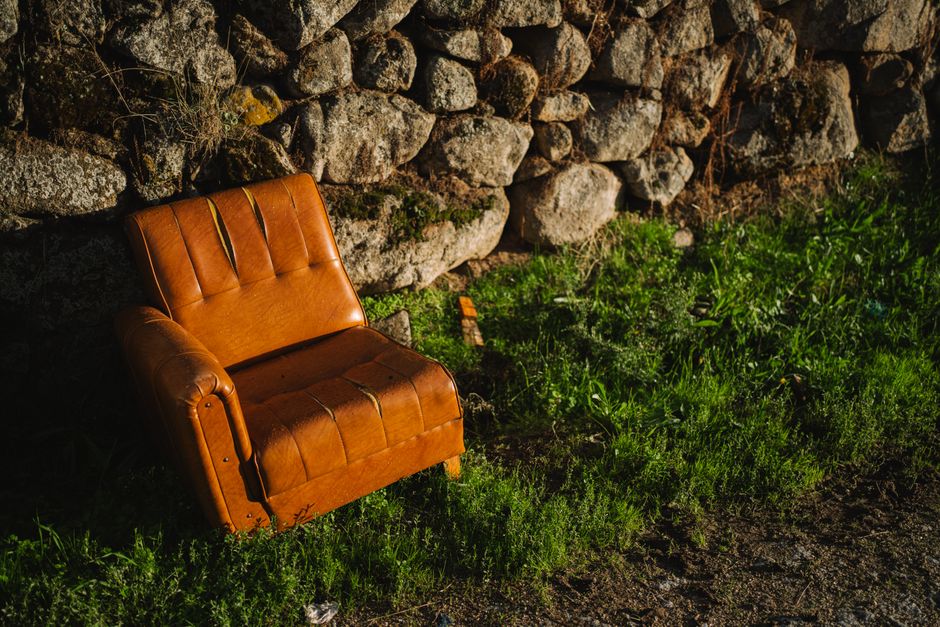
A typical Lambeth scenario goes like this. A tenant is moving out of a two-bedroom flat near a busy high street. There is a three-seater sofa with light staining, two fabric dining chairs with scuffs, and a small armchair that has a musty smell from being stored close to a damp wall. At first glance, the whole lot looks destined for the skip.
But after a proper inspection, the sofa frame is fine, the dining chairs are still sturdy, and only the armchair is too far gone. The sofa and chairs are vacuumed, spot-treated, and left to dry fully with windows open. A day later, they look much better. The armchair, meanwhile, is separated out for disposal rather than being pushed back into circulation.
That is the useful middle ground. Not everything has to be rescued. Not everything has to be thrown away either. A calm, item-by-item decision usually gives the best result, and it stops people from overpaying for replacement furniture they did not actually need to replace.
In this kind of move-out situation, the property may also benefit from follow-up services such as carpet cleaning or window cleaning if the room needs a full reset before inspection. Small details matter. They always do.
Practical checklist
Use this quick checklist before you decide what happens next.
- Inspect the upholstery for tears, mould, pests, and odours
- Check whether the item is still structurally sound
- Decide if cleaning could realistically improve it
- Vacuum and test a hidden area first
- Choose a fabric-appropriate cleaning method
- Allow enough drying time before reuse or storage
- Separate reusable items from waste
- Confirm the correct collection or recycling route
- Remove loose items, cushions, and accessories
- Keep a note of what was cleaned, donated, or disposed of
If you are handling a whole property rather than one item, it can help to bring in support from home cleaners or office cleaning teams when the setting needs a broader reset. That way the furniture decision sits inside a clean, organised plan rather than becoming one more half-finished job.
Conclusion
The best way to handle Lambeth Council rules for upholstery cleaning and recycling is to think in stages: inspect, clean if practical, reuse if safe, and recycle or dispose of the rest through the right route. That simple order keeps you on the sensible side of waste handling, reduces avoidable costs, and makes a room feel properly sorted rather than just shuffled around.
Whether you are dealing with a tired sofa, end-of-tenancy furniture, or a fuller clear-out, the winning approach is usually the one that balances cleanliness, safety, and common sense. A good clean can rescue a lot. A realistic disposal plan handles the rest. That is the whole game, really.
Get a free quote today and see how much you can save.
Frequently Asked Questions
Can I put upholstered furniture out for recycling in Lambeth?
Usually, you should not assume upholstered furniture can be treated like ordinary household recycling. Bulky items often need a separate collection or specialist disposal route. Check the condition first, then decide whether it is reusable, cleanable, or ready for removal.
Should I clean a sofa before disposing of it?
If the sofa is being donated, sold, or passed on, yes, a clean is usually worthwhile. If it is going to disposal and is badly damaged, a deep clean may not be necessary. A quick inspection should tell you whether cleaning adds value or just delays the inevitable.
What counts as reusable upholstery?
Reusable upholstery is usually structurally sound, free from major odours or contamination, and presentable enough for another household or office to use. A little wear is fine. Broken frames, mould, or heavy contamination are a different matter.
Do I need professional upholstery cleaning before recycling?
Not always. Professional cleaning makes most sense when the item might be kept, donated, or sold. If the furniture is beyond repair, cleaning may not change the disposal outcome. The decision depends on value, condition, and intended use.
What if the upholstery smells damp or musty?
That is a warning sign. Try to identify the source before doing anything else. If the smell comes from a minor spill or surface moisture, cleaning may help. If there is mould or deep water damage, the item may be unsuitable for reuse.
Can I recycle the foam or fabric from a sofa separately?
Sometimes, but it depends on how the item is built and what disposal routes are available. Most people will find it easier to arrange proper bulky-item handling than to dismantle the whole sofa themselves. It sounds tidy in theory, then reality arrives.
What should landlords do with left-behind upholstered furniture?
Landlords should inspect the item, decide whether it can be cleaned or reused, and then choose the correct removal route if it is unwanted. Keeping records is helpful, especially during tenancy changeovers or property inspections.
Is it better to clean or replace old upholstered furniture?
That depends on the frame, fabric, age, and overall condition. If the structure is sound and the issue is mostly dirt or odour, cleaning is often the better first option. If the item is sagging, damaged, or unhygienic, replacement may be the smarter move.
How long should upholstery dry after cleaning?
Drying time varies with fabric type, cleaning method, room temperature, and ventilation. Light cleaning may dry fairly quickly, while deeper cleaning can take longer. The safest rule is not to use the item until it is fully dry to the touch and no longer smells damp.
What is the safest way to prepare upholstery for collection?
Make sure the item is dry, accessible, and free of loose rubbish or personal items. Remove cushions if needed, clear the path to the door, and check that nothing sharp or hazardous is sticking out. A few minutes of preparation makes the whole process smoother.
Where do one-off cleaning and upholstery care fit into the process?
They fit well when you need a room or property reset rather than a single quick tidy. If you are dealing with stains, dust, and general wear at the same time, a one-off clean can be the practical bridge between keeping furniture and disposing of it.
What should I do if I am unsure whether an item can be recycled?
Treat it as a decision point, not a guess. Check the item's condition, think about whether it could be cleaned or reused, and then move it into the right disposal category if not. When in doubt, choose the safer and more responsible route rather than forcing it into the wrong one.