End of tenancy cleaning for SE11 flats on Kennington Road
Posted on 21/06/2026
End of Tenancy Cleaning for SE11 Flats on Kennington Road
If you are moving out of a flat on Kennington Road, the last thing you need is a messy end-of-tenancy clean hanging over your head. Yet that final clean can decide whether handover feels smooth or stressful. End of tenancy cleaning for SE11 flats on Kennington Road is about more than making things look tidy; it is about getting the property back to a standard that feels fair, thorough, and ready for inspection.
In a busy London flat, especially one that has seen daily cooking, commuting dust, hallway traffic, and the odd splash of city life, small marks add up quickly. A bit of grease behind the hob, limescale around the taps, dust on skirting boards, and crumbs tucked into drawer edges. Nothing dramatic. But enough to matter. This guide walks through what the clean involves, how to approach it properly, where people often go wrong, and how to decide whether to do it yourself or bring in help.
We will keep it practical. No fluff, no overblown claims. Just the stuff that actually helps when you are packing boxes, dealing with keys, and trying not to lose a Saturday to cleaning nobody enjoys.
Quick expert summary: The best end of tenancy clean is organised, room by room, and focused on the details landlords and letting agents notice first: kitchens, bathrooms, appliances, carpets, windows, and those awkward corners everyone forgets until the end.

Why End of tenancy cleaning for SE11 flats on Kennington Road Matters
Let's face it: most tenants only think about end of tenancy cleaning once the moving boxes are already stacked in the hall. That is usually when the pressure kicks in. But for a flat on Kennington Road, the clean matters for three big reasons.
First, it affects the handover. A flat that has been cleaned properly feels cared for. A flat that has been "wiped over" often looks fine at a glance, then falls apart under closer inspection. Agents and landlords are usually looking at the details: limescale, grease, hair, dust lines, streaks on glass, and any left-behind smells.
Second, it reduces disputes. Deposit deductions often start with cleaning issues because they are easy to point to. That does not always mean the tenant is at fault, to be fair, but if the property looks visibly neglected, conversations become harder. A solid clean gives you a better footing if anything is questioned later.
Third, it saves time during an already messy period. Moving out of a flat in SE11 usually means you are juggling removals, utility changes, key handover, forwarding mail, and the endless "where did I put that charger?" moment. A proper move-out clean stops the flat from becoming the last unfinished job on your list.
Kennington Road has its own rhythm too. Flats here are often compact, lived-in, and exposed to the usual London blend of traffic dust, shoes at the threshold, kitchen condensation, and the odd splash from a quick dinner after work. Those things are normal. But they do mean the final clean should be detailed, not casual.
If you already know you will need help across related cleaning tasks, it can also be useful to look at end of tenancy cleaning in SE11 alongside other support such as domestic cleaning in SE11 or a broader services overview. That gives you a clearer sense of what is covered and what sits outside a standard move-out clean.
How End of tenancy cleaning for SE11 flats on Kennington Road Works
End of tenancy cleaning is usually a top-to-bottom clean carried out after the flat has been emptied or mostly emptied. In practice, that means far more than a quick surface tidy. The aim is to clean the property in a way that makes it presentable for inspection and ready for the next occupier.
The process normally starts with a walkthrough. This matters more than people think. A one-bed flat near Kennington Road may need attention in very different places than a larger split-level place with more glazing, storage, and stair dust. The cleaner should note the state of the kitchen, bathroom, flooring, appliances, windows, and any soft furnishings that remain.
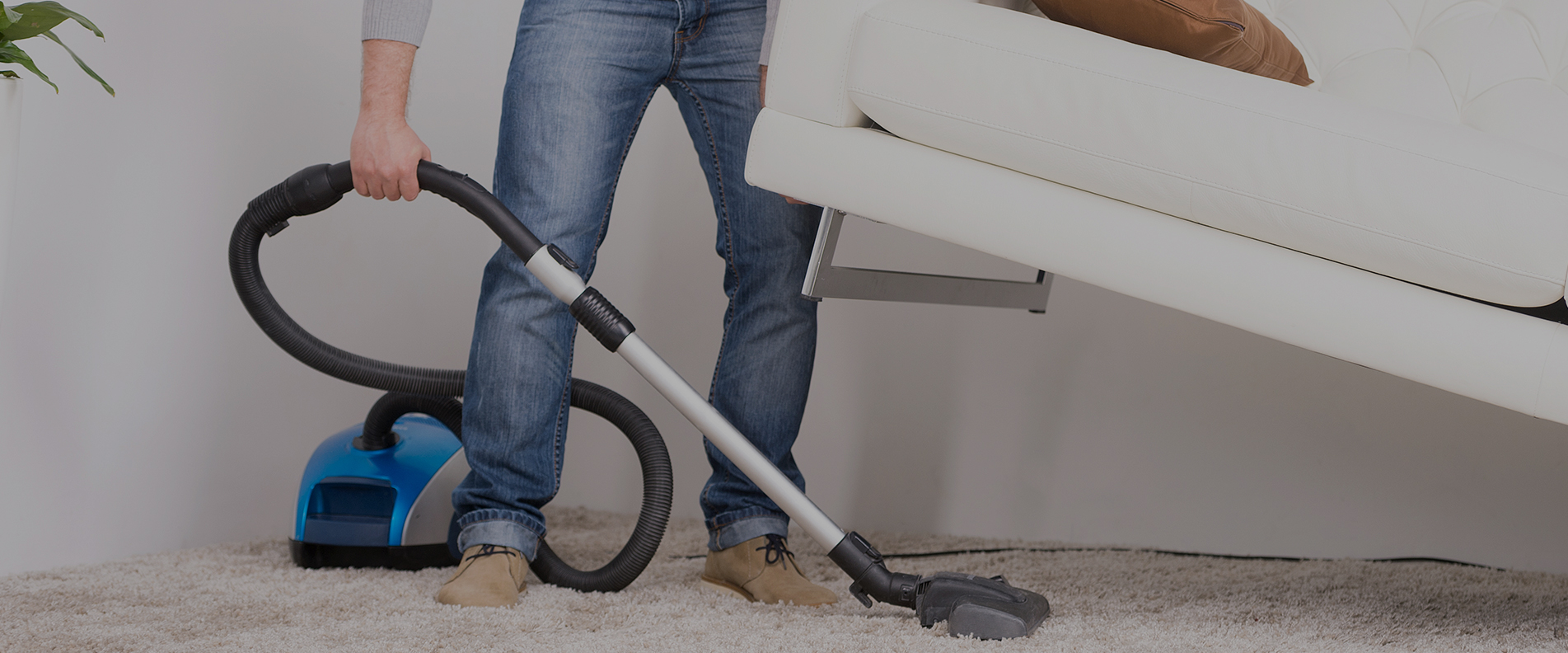
Then comes the room-by-room work. Kitchens are often the most demanding because grease and food residue build up in hidden places. Bathrooms need limescale removal, sanitising, and attention to seals, taps, mirrors, and fittings. Living rooms and bedrooms tend to need dusting, vacuuming, spot cleaning, and attention to skirting boards, sockets, and behind furniture.
If carpets are part of the property, a separate treatment may be sensible, especially where there are traffic lines or pet smells. For that, you may want to look at carpet cleaning in SE11, and if upholstery has picked up marks, the upholstery cleaning service in SE11 is a relevant add-on.
One thing people often forget: end of tenancy cleaning is not only about what is visible from the doorway. It is about the places that reveal whether the flat has truly been cared for. Under the sink. Around extractor fans. Inside cupboards. Behind the toilet. Along the edges of radiators. Small details, yes. But they add up fast.
Key Benefits and Practical Advantages
A good move-out clean does more than make a flat sparkle. It changes the whole tone of the handover. Here are the real-world advantages people notice most.
- Better inspection outcomes: A properly cleaned flat is easier for an agent or landlord to sign off without nit-picking small issues.
- Lower stress: You are less likely to spend the final day scrubbing limescale while trying to organise keys and removals.
- Cleaner handover presentation: Even if the tenancy is ending, first impressions still matter.
- More consistent standards: Professional cleaning follows a repeatable process, which helps with bigger or more detailed properties.
- Support for deposit discussions: If there are any queries later, it helps to know the flat was cleaned carefully.
- Less last-minute panic: A structured clean keeps the moving-out day from turning into chaos. And moving day is chaotic enough, honestly.
There is also a quieter benefit: peace of mind. Once the clean is done, you can actually move on. That psychological finish line matters. You shut the door, hand back the keys, and that chapter is done.
If you are comparing service styles or want to understand how move-out work fits within the wider cleaning picture, the company's pricing and quotes and first pricing page can help you judge what level of service makes sense for your flat.
Who This Is For and When It Makes Sense
End of tenancy cleaning for SE11 flats on Kennington Road is relevant to a fairly wide group of people, not just tenants who have left everything to the final week.
It makes sense if you are:
- moving out of a rented flat and want to protect the condition of the property
- leaving after a long tenancy where normal wear has built up
- short on time because work, travel, or family commitments are already packed in
- dealing with a property that has carpets, appliances, or fitted storage needing extra attention
- a landlord or letting agent preparing a flat for the next tenant
- someone who started cleaning but realised, halfway through, that the oven has become a life lesson
It is also useful in a very practical sense if the flat sits on a busy road like Kennington Road. City dust, delivery traffic, open windows in warmer weather, and constant footfall can make a property look dull faster than people expect. A flat can be reasonably tidy and still not be inspection-ready.
For people living more locally in SE11, it may also be helpful to read about the area and housing context through pieces like Kennington living conditions and Kennington's realty market. They are not cleaning guides, of course, but they do give a bit more texture to the kind of properties and expectations common around here.
Step-by-Step Guidance
If you want to tackle the clean yourself, or simply understand what a professional team should be doing, the process becomes much easier when broken into clear steps.
1. Start with a full declutter
Remove every item that is leaving with you. Check cupboards, fridge shelves, drawers, bathroom storage, and the top of wardrobes. A missed shampoo bottle in the bathroom cabinet has a knack for ruining the "we're all finished here" moment.
2. Clean from top to bottom
Work high to low. Dust shelves, light fittings, tops of cupboards, picture rails, and edges before vacuuming or mopping. Otherwise, you are just making the same mess twice. Not ideal.
3. Focus on the kitchen first
The kitchen is usually the hardest area. Clean the oven, hob, extractor fan, backsplash, sink, taps, cupboards, fridge, and any built-in appliances. Pay attention to grease near handles and behind appliances if they can be safely moved.
4. Move into the bathroom
Use a proper descaling approach for taps, shower screens, tiles, and basins. Check grout lines, toilet bases, cistern edges, and mirror streaks. Bathrooms show neglect quickly, especially under bright light.
5. Tidy the living areas and bedrooms
Dust skirting boards, window sills, shelves, sockets, switches, door frames, and radiators. Vacuum thoroughly, including edges and under movable furniture. If the flat has stains on a sofa or chair, this Kennington Lane sofa cleaning article may be useful context for what to do before handover.
6. Finish with floors and windows
Vacuum carpets and mop hard floors as appropriate. Clean internal glass and mirrors. If windows are accessible from inside, make sure the frames and sills are also wiped down. Streaks are one of those tiny annoyances that somehow shout the loudest.
7. Do a final inspection in daylight
If possible, check the flat in natural light. Evening lamp light hides dust; daylight does not. You will spot fingerprints, lint, and patchy floors far more easily near a window in the morning.
Expert Tips for Better Results
Here is where the small gains matter. The difference between an average clean and a strong move-out clean often comes down to habits, sequencing, and not rushing the final 10%.
- Use the right cleaning product for the surface. What works on glass may be useless on limescale, and what cuts grease in the kitchen may be too harsh for delicate finishes.
- Let products sit where possible. A short dwell time helps with ovens, sinks, and bathroom scale. Wiping immediately is often less effective.
- Clean hidden touchpoints. Door handles, switches, remote controls, taps, cupboard edges, and skirting corners matter more than people expect.
- Photograph the finished flat. That is plain sensible. If there is any discussion later, you have a clear visual record.
- Book carpet or upholstery work early. If soft furnishings need extra care, build that into the plan rather than leaving it for the last hour.
- Check the inventory. Cleaning is easier when you know what condition items were recorded in at the start. Otherwise, you are guessing, and guessing is a bit of a trap.
One local-shaped bit of advice: in flats along busier stretches of Kennington Road, pay extra attention to window ledges and entrance dust. It creeps in quietly, especially if windows are often left open in warmer months. You notice it when the cloth comes away grey. Always does.
Common Mistakes to Avoid
Most end-of-tenancy problems are not dramatic disasters. They are small oversights repeated across the property. That is why they are so frustrating.
Here are the mistakes that cause the most trouble:
- cleaning only the visible areas and skipping inside cupboards
- forgetting oven trays, hob rings, filters, and extractor covers
- leaving limescale in bathrooms because the surface "looks okay"
- missing skirting boards, sockets, and switch plates
- vacuuming carpets without addressing stains or edge debris
- not checking behind radiators, appliances, or furniture
- cleaning too early, then moving through the flat again and dirtying it back up
- using too much product and leaving smear marks behind
The classic one? Doing the clean before the final bags are out. Truth be told, that rarely ends well. You step over one last box, scuff the floor, and suddenly the room needs another pass. Timing matters more than people think.
Tools, Resources and Recommendations
You do not need a van full of gadgets to do a good move-out clean. But you do need the right basics, and a little structure.
| Area | Helpful tools | What to watch for |
|---|---|---|
| Kitchen | Degreaser, microfiber cloths, non-scratch pads, oven cleaner | Grease behind handles, hob edges, extractor filters |
| Bathroom | Descaler, sanitiser, glass cloth, grout brush | Limescale on taps, soap marks, shower screen residue |
| Living room / bedroom | Vacuum, dusting cloths, upholstery brush, lint roller | Skirting dust, plug sockets, under-bed debris |
| Floors | Mop, floor-safe cleaner, carpet treatment if needed | Streaks, trapped grit, edge dirt |
| Windows and glass | Glass cleaner, squeegee, dry microfiber cloth | Smears, water marks, finger prints |
Sometimes the best recommendation is not a product, but a choice. If the flat includes worn carpet, tired upholstery, or heavy use in a small space, it may be more efficient to combine services instead of trying to solve everything with one all-purpose spray and determination. For instance, a move-out clean can sit alongside house cleaning in SE11 for broader support, or office cleaning in SE11 if you are managing multiple properties or premises nearby.
If you are still weighing up different service levels, a quick look at the second pricing page may help you understand how the booking structure is presented. It is a small thing, but it can save a lot of back-and-forth.
Law, Compliance, Standards, or Best Practice
Cleaning itself is not usually the legal headache. The real issue is the tenancy agreement, the inventory, and the standard of return expected at the end of the tenancy. In the UK, the practical benchmark is usually the condition recorded at the start of the tenancy, adjusted for fair wear and tear. That means tenants are generally expected to return the property in a professionally cleaned or similarly clean condition if that is what the agreement and inventory require.
Because every tenancy is different, the safest approach is to read the check-in report, the inventory, and the cleaning clause carefully. If the property was handed over clean, then a rushed wipe-down at the end is rarely enough. If there are any specific terms around carpets, appliances, or specialist cleaning, those should be followed exactly.
It is also sensible to keep evidence of what has been done. Photos before and after, receipts if a professional clean was booked, and notes about any existing damage or wear can be useful. Nothing complicated. Just tidy records.
From a best-practice perspective, a good end of tenancy clean should be:
- thorough, not cosmetic
- safe for the surfaces being cleaned
- aligned with the tenancy inventory
- carried out before final handover, not after
- documented well enough to support a fair conversation if needed
If you want reassurance about service values and company standards, pages like health and safety policy, insurance and safety, terms and conditions, and about us can help you judge how the provider handles trust, responsibility, and customer care.
Options, Methods, or Comparison Table
People usually choose between doing the clean themselves, hiring a specialist end-of-tenancy service, or blending both. The right option depends on time, budget, flat condition, and how strict the handover is likely to be.
| Option | Best for | Pros | Watch out for |
|---|---|---|---|
| DIY clean | Small flats, very tidy tenants, low complexity | Lower direct cost, full control | Time-consuming, easy to miss details |
| Professional end of tenancy clean | Most occupied flats, time-limited moves, stricter inspections | Structured, thorough, less stress | Needs clear communication on what is included |
| Combined approach | Flats with carpets, upholstery, or special problem areas | Flexible, tailored, efficient on problem spots | Requires more planning and coordination |
In a Kennington Road flat, the combined approach is often the sweet spot. For example, the main property clean may cover kitchens, bathrooms, and surfaces, while carpet or upholstery support handles the parts most likely to show everyday wear. It is not always necessary, but it can be the sensible choice when the flat has had a busy tenancy.
Case Study or Real-World Example
Here is a realistic example, based on the kind of situation that comes up often in SE11.
A tenant in a two-bedroom flat near Kennington Road had been there for just under three years. The place was generally well kept, but the kitchen had grease buildup around the hob, the bathroom had noticeable limescale, and the living room carpet had a visible traffic path near the sofa. They had already booked removals for late afternoon and only had one evening and part of the next morning to prepare.
Instead of trying to do everything in a single rush, they split the work. First, all belongings were removed. Then the kitchen and bathroom got priority, because those areas were most likely to be scrutinised. The carpets were handled separately, and the last pass was a detailed check of skirting boards, internal glass, and cupboards.
What made the difference was not fancy equipment. It was order. Once the flat was empty, it became obvious where the stubborn marks were. A second pair of eyes also helped catch things the tenant had stopped noticing, like a dusty extractor vent and fingerprints around a bedroom light switch. Very ordinary things, really. But ordinary things are what often decide the outcome.
The result was a clean, calm handover with no back-and-forth over obvious cleaning issues. Not every tenancy ends that neatly, of course, but the principle holds: the more structured the clean, the fewer surprises later.
Practical Checklist
Use this as a final walk-through before you hand back the keys.
- All personal belongings removed
- Bins emptied and liners taken out
- Kitchen counters, cupboards, and backsplash cleaned
- Oven, hob, and extractor cleaned properly
- Fridge and freezer defrosted and wiped out if included
- Sink, taps, and draining areas descaled and polished
- Bathroom tiles, shower, bath, toilet, and mirrors cleaned
- Skirting boards, sockets, switches, and door frames dusted
- Windows, internal glass, and sills wiped down
- Floors vacuumed and mopped
- Carpets checked for stains and treated if necessary
- Upholstery inspected for marks or crumbs
- Light fittings and vents dust-free
- Final daylight check completed
- Inventory and photos reviewed before handover
If you can tick every box without hesitation, you are in good shape. If not, that is fine too. Just be honest about what still needs attention and tackle those spots before the move-out deadline sneaks up on you.
Conclusion
End of tenancy cleaning for SE11 flats on Kennington Road is really about control. Control over the standard of the handover, control over your time, and control over the little details that can otherwise become frustrating later. A clean flat does not just look better. It feels like closure.
Whether you are doing the work yourself or choosing a specialist, the aim is the same: leave the property in a condition that reflects care, not panic. Focus on the high-impact areas, check the hidden spots, and do the final inspection with fresh eyes. That alone puts you ahead of the rushed, last-minute approach people often regret.
If your move is approaching and you want a smoother handover, now is the right moment to plan the clean rather than hope it somehow sorts itself out. It usually doesn't.
Get a free quote today and see how much you can save.
And once the keys are handed over, take a breath. The flat is done, the chapter is closed, and the next one can begin without the smell of bleach following you down the stairs.